
Workplace injuries happen in every industry, from construction sites and warehouses to offices, hospitals, and retail stores. When an employee gets hurt on the job or develops an illness because of workplace conditions, workers’ compensation is designed to provide financial and medical support during recovery.
However, many injured employees are unsure whether their situation actually qualifies as a workers’ compensation case. Some injuries clearly stem from a workplace accident, such as falling from a ladder or being struck by equipment, while others develop gradually over time through repetitive tasks or exposure to hazardous substances. In other cases, a worker may have a pre-existing condition that becomes worse because of their job duties. These situations can make it difficult to determine whether a claim is valid.
In this article, we explain common examples of covered injuries, situations that usually do not qualify, the requirements for filing a valid claim, and the signs that may indicate a strong case. We also explore how an experienced workers’ compensation attorney can help protect your rights and pursue the benefits you deserve.
Commonly Covered Workplace Injuries & Illnesses
Workers’ compensation laws are designed to cover a wide range of job-related injuries and illnesses. Many people associate workers’ compensation with dramatic accidents, but the system covers far more than a single traumatic event. Injuries that occur suddenly, develop gradually over time, or arise from workplace exposure may all qualify under the right circumstances.
|
Injury Category |
Examples |
Workplace Situations |
|
Acute traumatic injuries |
Slips, trips, and falls; being struck by equipment or objects; being crushed or caught between machinery; work-related incidents |
Falling from ladders on construction sites, slipping on wet floors in restaurants, being struck by falling tools in warehouses, vehicle crashes while making deliveries |
|
Physical injuries |
Bone fractures; muscle sprains, strains, and tears; neck injuries; cuts and lacerations; burns; eye injuries |
Lifting heavy materials, repetitive physical labor, operating machinery, handling sharp tools, working around hot equipment or chemicals |
|
Serious and catastrophic injuries |
Spinal cord injuries; traumatic brain injuries; electrocution accidents |
Major falls from heights, heavy equipment accidents, electrical work incidents, severe impacts involving machinery |
|
Repetitive stress and cumulative trauma injuries |
Carpal tunnel syndrome; tendonitis; chronic back pain from repetitive lifting or movement |
Typing and computer work, assembly line tasks, frequent lifting in warehouses, repetitive tool use in construction or manufacturing |
|
Occupational illnesses and exposure-related conditions |
Respiratory illnesses from dust or chemicals; toxic exposure; infectious disease exposure; other occupational diseases |
Exposure to chemical fumes in factories, dust inhalation on construction sites, healthcare workers exposed to infectious patients |
|
Work-related aggravation of existing conditions |
Worsening of prior back injuries, knee injuries, or other medical conditions due to job duties |
Physically demanding labor that strains a previous injury, repetitive lifting that worsens back pain, prolonged standing that aggravates joint conditions |
|
Work-related mental and psychological conditions |
Post traumatic stress after workplace incidents; anxiety or depression related to traumatic job events |
Experiencing a violent workplace incident, responding to traumatic emergencies as a first responder, witnessing serious workplace accidents |
Acute Traumatic Injuries
Acute traumatic injuries happen suddenly during a specific workplace incident. These events often involve accidents, equipment failures, or hazardous conditions. Because they occur during a clearly identifiable event, they are often among the most straightforward workers’ compensation claims.
Examples include slips, trips, and falls on wet floors or uneven surfaces, which can lead to broken bones or serious back injuries. Workers may also suffer injuries after being struck by falling objects, tools, or heavy equipment. In industrial settings, employees sometimes become caught between machinery or crushed by equipment, leading to severe or life altering injuries. Vehicle accidents are another common source of workers’ compensation claims. Employees who drive as part of their job, such as delivery drivers, construction workers, or traveling sales representatives, may qualify for workers’ compensation benefits if they are injured in a crash while performing job duties.
Physical Injuries
Many workplace accidents result in physical injuries that require medical treatment and time away from work. These injuries may range from relatively minor conditions to severe trauma requiring surgery and extended recovery.
Common examples include bone fractures caused by falls or heavy impacts; muscle sprains, strains, and tears occurring when workers lift heavy materials, perform repetitive movements, or work in awkward positions; or neck injuries and back injuries in jobs that involve physical labor.
Additionally, cuts, lacerations, and puncture wounds often occur in workplaces that involve sharp tools, machinery, or construction materials. Burns may result from electrical accidents, chemical exposure, or contact with hot surfaces. Eye injuries can occur when debris, chemicals, or bright welding arcs come into contact with the eyes.
Serious & Catastrophic Injuries
Some workplace accidents lead to severe injuries that permanently affect a person’s life and ability to work. Workers’ compensation systems are designed to provide benefits for these catastrophic injuries as well.
Spinal cord injuries can result in partial or complete paralysis and often require long-term treatment. Traumatic brain injuries (TBIs) may occur after a fall, vehicle accident, or impact with heavy equipment. These injuries can cause cognitive difficulties, memory problems, and long lasting neurological symptoms.
Electrocution accidents are another serious workplace hazard, particularly in construction, utility work, and manufacturing environments. These incidents can cause severe burns, nerve damage, or even cardiac complications.
Repetitive Stress & Cumulative Trauma Injuries
Many workplace injuries develop slowly over time due to repetitive motions or ongoing strain placed on the body.
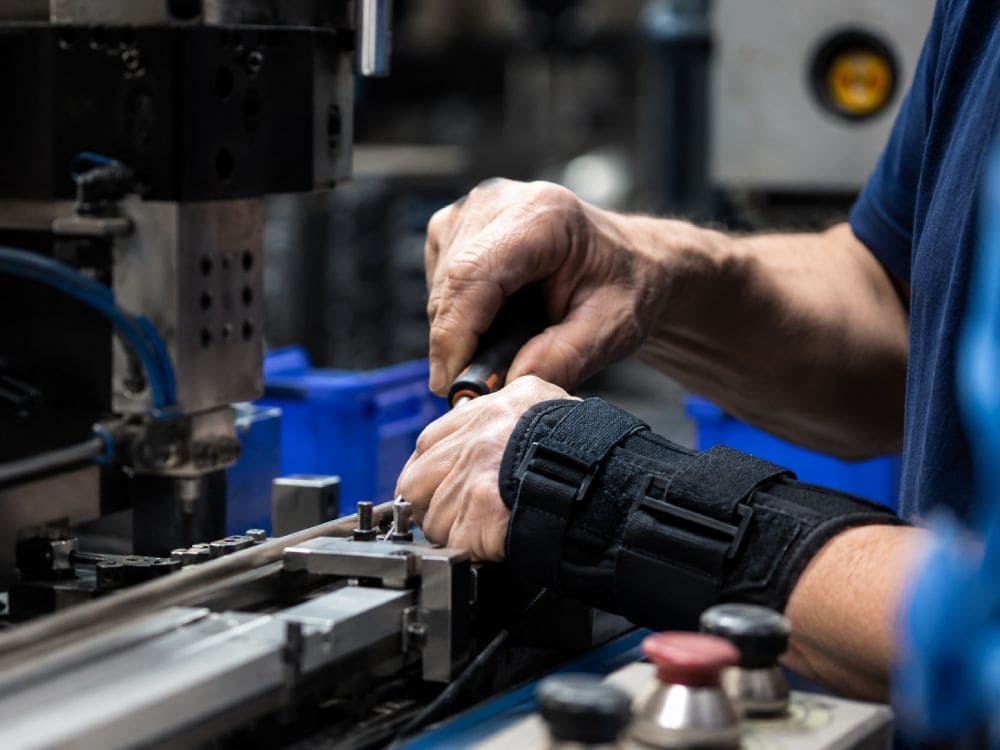
Repetitive strain injuries, often called cumulative trauma injuries, are common in both physical labor and office environments. For example, carpal tunnel syndrome may develop after months or years of typing or performing repetitive hand movements, and tendonitis can result from repeated lifting or use of tools. Chronic back pain often develops in workers who regularly lift heavy items or perform physically demanding tasks.
Because these injuries develop gradually, workers sometimes delay seeking medical treatment or reporting symptoms. Nevertheless, these conditions may still qualify for workers’ compensation when they are connected to job duties.
Occupational Illnesses & Exposure-Related Conditions
Some workplace injuries take the form of illnesses rather than physical trauma. Exposure to hazardous substances or environmental conditions at work can lead to serious health problems.
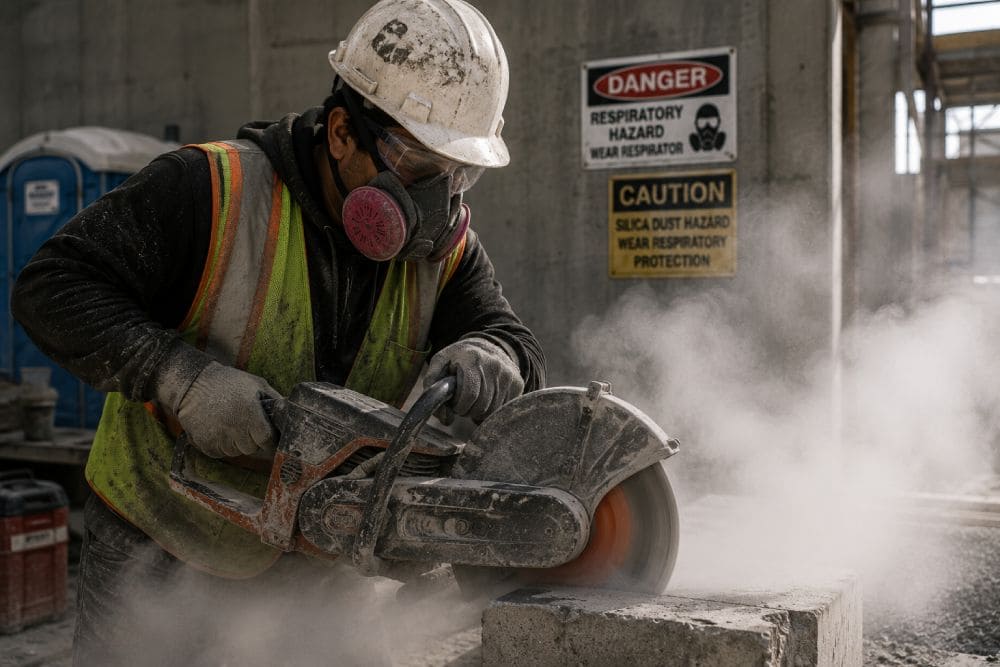
Workers in manufacturing, construction, agriculture, and healthcare environments can be exposed to chemicals, toxic fumes, dust, or airborne contaminants. Over time, this exposure can lead to respiratory illnesses, skin conditions, or other occupational diseases.
Infectious diseases may also be considered work related if they occur on the job. Construction workers, laboratory technicians, and first responders may face a higher risk of contracting certain illnesses due to their work environment.
Work-Related Aggravation of Existing Conditions
A workers’ compensation claim does not always require a completely new injury. In many cases, a workplace accident or repetitive job activity can worsen an existing condition.
For example, a worker with a prior back injury may suffer additional damage after lifting heavy equipment at work, or someone with a pre-existing knee condition might experience further injury after repeated strain on the job. When work activities significantly aggravate an existing condition, the resulting medical problems may still qualify for workers’ compensation benefits.
Work-Related Mental & Psychological Conditions
Although less commonly discussed, certain mental health conditions can be linked to workplace incidents. Psychological injuries may arise after traumatic events, workplace violence, or extreme stress related to job duties. In some situations, workers may develop conditions such as post-traumatic stress, anxiety, or depression following a serious workplace accident or exposure to traumatic events.
While these cases can be more complex, mental health injuries may still qualify for workers’ compensation under specific circumstances.
What Usually Doesn’t Qualify for Workers’ Compensation
While workers’ compensation laws cover many injuries and illnesses, not every job-related situation qualifies for benefits. Claims generally must meet specific legal criteria related to employment status, job duties, and the circumstances surrounding the injury.
Injuries Unrelated to Job Duties
For a claim to qualify, the injury typically must occur while the employee is performing job-related duties or tasks connected to their employment. Injuries occurring during a worker’s normal commute to or from work usually do not qualify because of what is often called the “going and coming” rule.
Similarly, accidents that happen while an employee is off the clock or engaged in personal errands during the workday may not be covered. For example, if a worker leaves the job site for a purely personal reason and suffers an injury during that time, the claim may fall outside the scope of workers’ compensation.
Injuries Caused by Misconduct
Workers’ compensation systems are intended to protect employees who are injured while performing legitimate job duties. When an injury occurs because of misconduct, coverage may be limited or denied.
For instance, if an employee is injured while under the influence of alcohol or non-prescribed drugs, insurers may argue that the impairment contributed to the incident. Self-inflicted injuries or incidents that occur during horseplay or reckless behavior in the workplace may also be excluded from workers’ compensation benefits.
Policy Violations & Safety Disregard
Employers often maintain safety policies designed to reduce the risk of workplace accidents. In some cases, insurers may attempt to deny a claim if an employee intentionally ignored established safety rules or company procedures.
These situations are not always straightforward. Even when a worker failed to follow a rule, the injury may still qualify depending on the circumstances. Because these disputes can become complicated, legal guidance is often helpful when a claim is challenged on these grounds.
Situations Outside Traditional Employee Coverage
Workers’ compensation benefits typically apply to employees who are covered under an employer’s policy. Independent contractors, subcontractors, and certain temporary workers may not automatically qualify for benefits under the same system.
However, employment classification disputes are common. Some workers who are labeled as independent contractors may actually meet the legal definition of an employee. In these situations, an injured worker may still have a valid claim depending on the facts of the case.
Mental Health Claims from Lawful Personnel Decisions
Some workers experience emotional distress related to workplace decisions such as disciplinary action, layoffs, demotions, or performance evaluations. In many jurisdictions, mental health conditions that arise solely from lawful personnel decisions made by an employer are not covered under workers’ compensation laws.
That said, mental health injuries connected to traumatic workplace events or dangerous conditions may still qualify under certain circumstances.
7 Signs You May Have a Strong Workers’ Comp Case
The following indicators often suggest that a workers’ compensation claim may be well supported. While each case is unique, these factors frequently play an important role in determining whether an injured worker is eligible for benefits.
1. The Injury or Illness Clearly Occurred While You Were Performing Job Duties
One of the strongest indicators of a valid workers’ compensation claim is a clear connection between the injury and the worker’s job responsibilities. If the accident occurred while performing assigned tasks, operating equipment, assisting customers, or carrying out other work-related duties, the claim may be easier to support. An injury sustained while lifting work-related items, driving a company vehicle, using workplace machinery, or performing physical labor at a job site is typically easier to link directly to employment activities.
2. You Promptly Reported the Injury to Your Employer
Workers who report their injury quickly often have stronger claims because the timeline of events becomes easier to verify. Early reporting allows employers to document the incident, investigate the circumstances, and create an official record of what happened.
Prompt reporting also helps prevent insurers from arguing that the injury occurred outside the workplace or was caused by another event that happened after work.
3. You Received Medical Treatment & Have Documentation
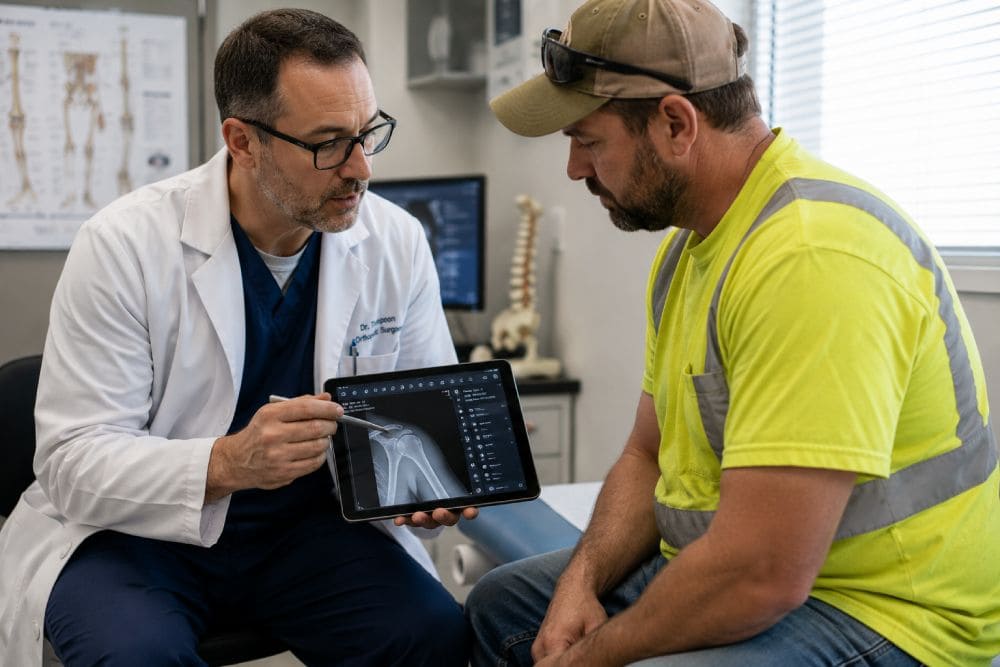
Medical documentation is one of the most important pieces of evidence in a workers’ compensation case. Detailed treatment records, diagnostic imaging, and physician notes can help establish both the cause and severity of the injury. When an injured worker seeks treatment soon after an accident, medical professionals can record symptoms, diagnose the injury, and connect the condition to the workplace incident.
4. You Are Classified as an Employee
Workers’ compensation benefits generally apply to employees covered under an employer’s policy. When a worker is clearly classified as an employee rather than an independent contractor, eligibility for benefits is often easier to establish. Employment records, pay documentation, and workplace responsibilities may help confirm the worker’s classification.
5. Evidence Exists That Supports the Claim
Strong workers’ compensation cases often include supporting evidence that confirms how the accident occurred. Witness statements from coworkers, incident reports filed with an employer, photographs of the accident scene, or security footage may help establish what happened. This type of evidence can strengthen a claim if an employer or insurance company challenges the worker’s account of the incident.
6. A Pre-Existing Condition Was Worsened by Your Job
Workers’ compensation claims sometimes involve injuries that aggravate an existing medical condition rather than creating a completely new injury. If job duties made a previous condition significantly worse, the resulting injury may still qualify for benefits. For example, a worker with a prior back issue may suffer additional damage after lifting heavy materials at work.
Medical documentation connecting the worsening condition to workplace activities can support this type of claim.
7. The Injury Caused Lost Income or Limited Your Ability to Work
A strong workers’ compensation claim often involves clear evidence that the injury affected the worker’s ability to perform their job. Medical restrictions, time away from work, or reduced earning capacity may demonstrate the impact of the injury. When an injury prevents a worker from performing normal duties or requires ongoing medical treatment, workers’ compensation benefits may help cover lost wages and medical expenses.
How a Workers’ Compensation Attorney Can Help
Filing a workers’ compensation claim may appear straightforward at first, but the process can quickly become complicated. Employers, insurance companies, and medical providers may all play a role in determining whether a claim is approved and what benefits are available. When disputes arise about how the injury occurred, the severity of the condition, or the worker’s eligibility for benefits, the situation can become even more challenging.
An experienced workers’ compensation attorney can help injured workers navigate this process, protect their rights, and pursue the benefits available under the law. From gathering evidence to communicating with insurers and managing legal deadlines, legal guidance can make a significant difference throughout the claims process.
Dealing with Insurance Companies
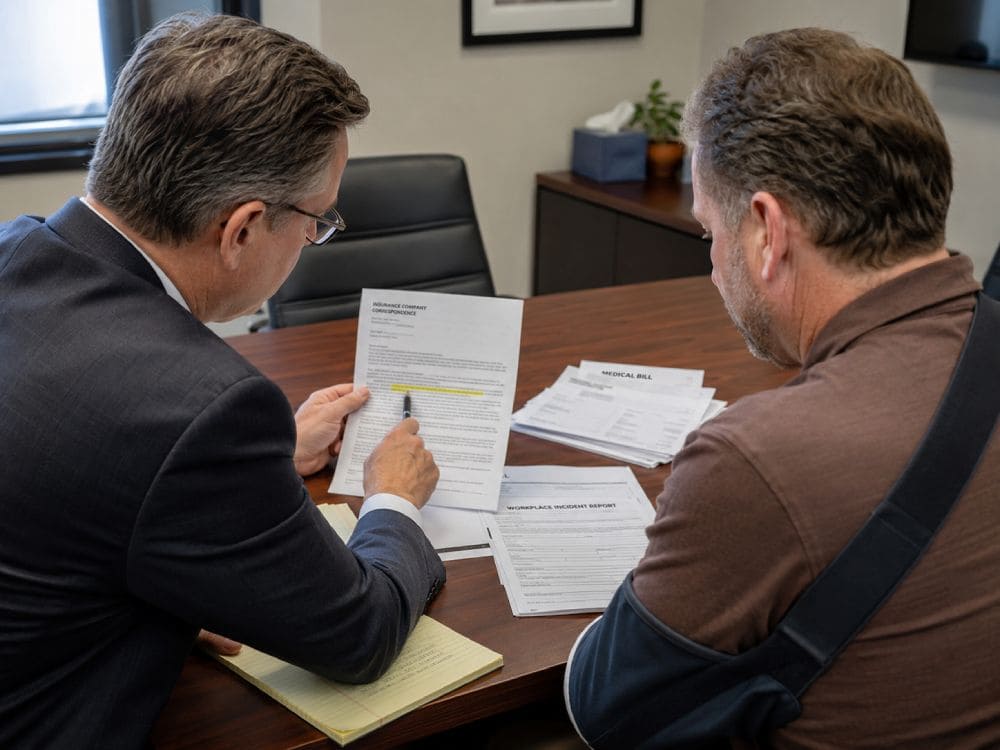
Insurance companies are responsible for evaluating workers’ compensation claims, but their goal is often to limit financial payouts whenever possible. Adjusters may request recorded statements, review medical records closely, or question how the accident occurred.
A workers’ compensation attorney can communicate with the insurance company on the injured worker’s behalf, helping prevent misunderstandings or statements that could be used to challenge the claim. Legal representation can also help level the playing field when insurers attempt to minimize or dispute the value of a claim.
Gathering Evidence
Strong workers’ compensation claims rely on clear evidence showing how the injury occurred and how it affects the worker’s ability to perform their job. Attorneys often assist by collecting important documentation that supports the claim, which may include medical records, accident reports, witness statements, workplace safety records, and other relevant evidence. When necessary, attorneys may also work with medical experts or other professionals who can help explain the cause and impact of the injury.
Managing Deadlines & Paperwork
Workers’ compensation claims involve a number of legal forms, filing requirements, and deadlines. Missing a deadline or submitting incomplete paperwork can delay the claim or lead to complications in the approval process. An attorney can help organize the required documentation, submit forms correctly, and track important deadlines throughout the case.
Having professional assistance can reduce stress for injured workers while helping the claim move forward more smoothly.
Maximizing Compensation
Workers’ compensation benefits often include payment for medical treatment, partial wage replacement, rehabilitation costs, and disability benefits depending on the severity of the injury. Determining the full value of these benefits can sometimes be complex.
Legal guidance may help injured workers pursue the financial support needed to cover medical expenses and lost income during recovery. A workers’ compensation attorney can review the details of the case and identify the types of benefits that may be available.
Appealing Denied Claims
Not every workers’ compensation claim is approved on the first attempt. Insurance companies sometimes deny claims because of disputes about how the injury occurred, questions about medical evidence, or disagreements about employment status.
When a claim is denied, an attorney can guide the worker through the appeals process. It may involve gathering additional evidence, presenting arguments before a workers’ compensation board, or addressing legal issues raised by the insurer.
Identifying Third-Party Liability
In certain workplace accidents, someone other than the employer may share responsibility for the injury. For example, a defective piece of equipment, a negligent subcontractor, or an unsafe product could contribute to the incident.
A workers’ compensation attorney can evaluate whether another party may be legally responsible. In some cases, the injured worker may be able to pursue additional compensation through a separate personal injury claim.
Providing Guidance & Peace of Mind
Recovering from a workplace injury can be physically, emotionally, and financially stressful. Having a knowledgeable attorney handle the legal aspects of the claim allows injured workers to focus more fully on their recovery. Legal guidance can help workers better understand their rights, make informed decisions about their case, and move through the claims process with greater confidence.
Workers’ Comp FAQs
What Is Considered a Workers’ Comp Injury?
A workers’ comp injury is any injury or illness caused by job duties or workplace conditions. It may include sudden accidents such as falls or equipment injuries as well as conditions that develop over time, like repetitive stress injuries or occupational illnesses.
What Is Not Covered Under Workers’ Comp?
Workers’ compensation usually does not cover injuries that happen during a normal commute, incidents involving intoxication or intentional harm, or emotional stress caused only by routine employment decisions such as discipline or termination.
What Is the Most Common Workers’ Comp Claim?
Muscle strains and sprains are among the most common workers’ compensation claims. Back injuries in particular occur frequently in industries that involve lifting, repetitive movement, or physically demanding work.
Can You Get Workers’ Compensation If the Accident Was Your Fault?
Yes, in many cases. Workers’ compensation is generally a no-fault system, meaning employees may receive benefits even if they contributed to the accident, as long as the injury happened while performing job duties.
How Long Do You Have to File a Workers’ Compensation Claim?
Deadlines vary by state, but workers usually must report the injury quickly and file a claim within a specific time period. Reporting the injury as soon as possible helps protect your right to benefits.
Do You Need a Lawyer for a Workers’ Compensation Claim?
Some claims move forward without major issues, but disputes are common. A lawyer can help gather evidence, communicate with insurers, and handle appeals if a claim is denied.
Contact an Experienced Chicago Workers’ Comp Attorney Today
Workers’ compensation exists to help employees recover from job-related injuries and illnesses. Many types of injuries, including sudden accidents, repetitive stress conditions, occupational illnesses, and situations where work activities worsen an existing medical condition, may qualify for these job-related benefits.
If you believe an injury or illness may be related to your work, it’s a good idea to speak with a knowledgeable workers’ compensation attorney to learn more about your rights and options.
At Vasilatos Injury Law, our experienced workers’ compensation attorneys are focused on helping injured workers understand their options, pursue the benefits they deserve, and move forward after a work injury. We have represented hundreds of injured clients and obtained millions of dollars in awards for our clients in Chicago and across Illinois.
Our workers’ comp attorneys have experience in all aspects of workers’ compensation law, and we are dedicated to helping our clients get the best possible compensation. Regardless of the nature of your case, you can rely on us to guide you toward a favorable outcome for you and your family.
Contact us today to schedule a free consultation.




Leave a Comment