
When you’re injured due to someone else’s negligence, hiring a personal injury lawyer is often an essential step toward obtaining compensation for your injuries and other losses. But understanding how much hiring a lawyer will cost—and what services you’re paying for—can be confusing for many people. Legal fees can vary depending on the lawyer’s fee structure, the complexity of your case, and other factors.
In this comprehensive guide, we’ll break down the costs of hiring a personal injury lawyer, explain different fee structures, discuss what impacts these costs, and outline why hiring a lawyer may be one of the best decisions you can make after an injury.
Different Fee Structures Used by Personal Injury Lawyers
Personal injury lawyers use several different types of fee arrangements depending on the nature of your case, the lawyer’s experience, and the specifics of the agreement. Understanding the different fee structures available is important as it helps you assess how much you will owe and what services you can expect in return.
Contingency Fees
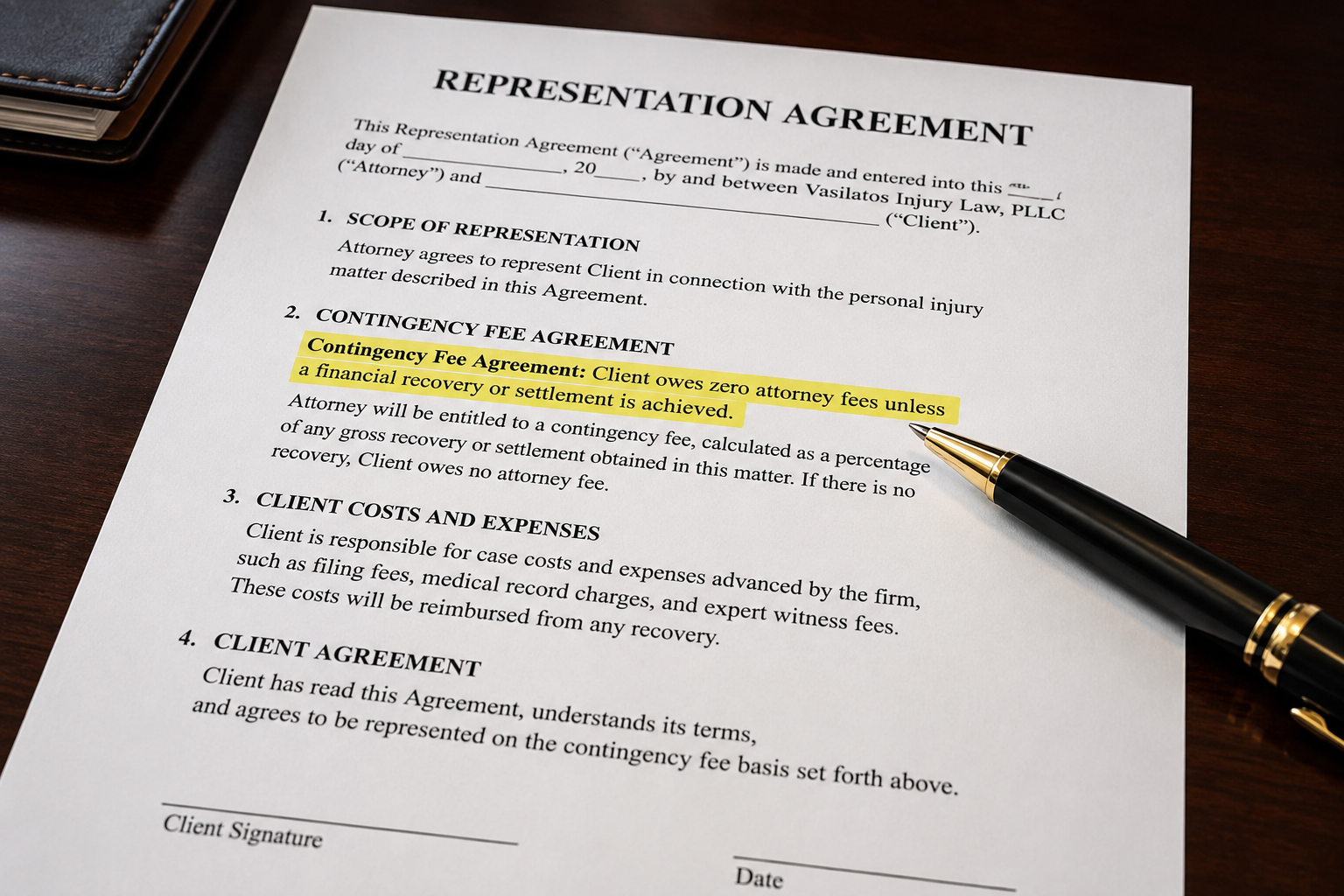
By far, the most common fee structure for personal injury cases is the contingency fee arrangement. With a contingency fee, the lawyer only gets paid if you win or settle your case. Instead of paying an hourly fee or a retainer, the lawyer takes a percentage of the final settlement or verdict.
The standard contingency fee for a personal injury lawyer is between 20% and 40% of the recovery. The percentage may be higher if the case is particularly complex or goes to trial.
The biggest benefit of this arrangement is that there are no upfront costs for the client. If the lawyer does not win or settle your case, you don’t pay any attorney fees. However, case-related expenses like expert witness fees, court filing costs, and investigation expenses may still be your responsibility.
Hourly Fees
Some lawyers charge clients hourly fees, especially for more complicated or ongoing legal work that doesn’t necessarily involve settlement negotiations. Under an hourly fee arrangement, the lawyer keeps a record of the hours they work on your case and bills you at an agreed-upon hourly rate. The rate can vary depending on the lawyer’s experience, but it often ranges from $150 to $500 per hour or more.
Hourly billing is more common in legal matters that require extensive time and attention, such as ongoing litigation or consultation on complex legal issues. For personal injury cases, hourly fees are generally not preferred, as most clients seek to minimize upfront costs.
Retainer Fees
A retainer fee is a lump sum paid upfront to secure the lawyer’s services. The lawyer will then use the retainer to cover their fees as they work on your case.
Retainer fees are more commonly used in complex or high-stakes legal matters where the lawyer expects to spend significant time working on the case or may need to devote resources to investigate the matter thoroughly. The amount of the retainer can vary depending on the lawyer and the case’s complexity, ranging from a few thousand to tens of thousands of dollars.
In many personal injury cases, retainer fees are less common because they require the client to pay upfront before any work is done. However, if your case involves intricate legal issues, complex negotiations, or a prolonged litigation process, a retainer fee may be appropriate.
Fixed or Flat Fees
Some personal injury lawyers offer a fixed or flat fee for specific services, such as drafting legal documents, representing you during a specific stage of the legal process (e.g., filing a claim), or handling certain administrative tasks.
Flat fees are not typically used for full representation in personal injury cases, as these cases often involve a higher level of complexity and unpredictability. Fixed fees may be more suitable for legal services such as drafting a demand letter, filing a claim, or providing consultation. It’s important to clarify the scope of services covered by a flat fee arrangement before agreeing to this pricing structure.

5 Types of Case-Related Expenses to Consider
Beyond the lawyer’s fees, there are also case-related expenses that can add up during a personal injury case. These expenses are typically not included in the lawyer’s fees and must be covered by the client. In many contingency fee agreements, the lawyer may advance these expenses on your behalf, but they will be deducted from your settlement or awarded damages if you win.
Here are some common case-related expenses.

1. Expert Witness Fees
In many personal injury cases, expert testimony is necessary to establish the extent of your injuries, explain the mechanics of the accident, or testify on the appropriate compensation for your pain and suffering. Expert witnesses, such as doctors, accident reconstruction specialists, or economists, can charge substantial fees for their services, ranging from $200 to $500 per hour or more.
2. Filing Fees & Court Costs
There are fees associated with filing legal documents and motions in court. These fees can include costs for filing the lawsuit, requesting records, and submitting paperwork. Court fees can vary by jurisdiction, but they typically range from $100 to $500 or more for various filings and motions.
3. Investigative Costs
In some cases, lawyers need to hire private investigators or conduct research to gather additional evidence, track down witnesses, or reconstruct the accident. These costs can be significant, especially in cases involving complex accidents or multiple parties. Investigative fees typically range from $1,000 to $5,000 or more, depending on the complexity of the case.

4. Medical Records & Documentation Fees
Obtaining medical records, bills, and other documentation to support your case can be expensive, particularly when records are scattered across multiple healthcare providers or locations. Fees for gathering and copying medical records can vary, but they typically cost between $50 to $500.
5. Travel Expenses
In some cases, it may be necessary for your attorney to travel for depositions, court hearings, or to interview witnesses. If this is the case, travel expenses such as airfare, lodging, and transportation may be billed to you. These costs can vary based on location and the duration of travel.
4 Factors That Affect the Cost of a Personal Injury Lawyer
Several considerations influence how much a personal injury lawyer charges, including the complexity of the case, the lawyer’s experience, and whether the case goes to trial.
Consider these key factors that can impact the cost of hiring a personal injury attorney for your case.

1. Experience & Reputation
The experience and reputation of the attorney play a significant role in determining the cost of their services.
Highly experienced lawyers with a track record of successful cases tend to charge higher fees because their expertise may enable them to secure better settlements more quickly, which can ultimately save you time and money. Experienced attorneys often command higher fees, but their proven track record can provide peace of mind that they will handle your case efficiently.
2. Case Complexity
Personal injury cases vary widely in terms of complexity. Simple cases, such as a minor car accident with clear liability, may cost less than cases that involve more severe injuries or multiple parties, such as a defective product lawsuit or a medical malpractice case. Cases that require more evidence gathering, expert witnesses, or prolonged legal proceedings will likely incur higher legal fees.
3. Settlement vs. Trial
If a case is resolved through settlement, the lawyer’s fees may be lower than if the case goes to trial. Trials can involve additional work, including discovery, depositions, court appearances, and trial preparation. As a result, lawyers typically charge a higher contingency fee if the case goes to trial since the lawyer must invest more time and effort into preparing and presenting your case in court.
4. Jurisdiction & Geographic Location
The cost of hiring a personal injury lawyer may also depend on the location of your case.
Lawyers in larger cities like Chicago tend to charge higher fees due to a higher cost of living, a larger client base, and increased competition. On the other hand, lawyers in smaller towns or rural areas may charge lower rates due to less competition and lower overhead costs.
What Does a Personal Injury Lawyer Do to Help a Case?
Hiring a personal injury attorney can significantly improve your likelihood of receiving fair compensation. Lawyers do much more than simply file paperwork—they handle virtually every aspect of your case, including the following.
Case Evaluation
A lawyer will first review your case to determine its merits. They will assess the accident details, gather initial evidence, and provide an honest evaluation of your chances of success.
Investigation
Lawyers often conduct a thorough investigation to gather key evidence such as witness statements, accident reports, medical records, and photographs. They may also hire experts to analyze complex evidence or provide testimony.
Negotiation
Personal injury lawyers have extensive experience negotiating with insurance companies and opposing counsel. They understand how to secure the maximum possible settlement, including negotiating over medical bills, lost wages, and pain and suffering.
Filing Legal Documents
Filing a personal injury lawsuit involves submitting detailed legal documents, including complaints, motions, and discovery requests. Lawyers ensure all deadlines are met and documents are properly submitted.
Representation in Court
If negotiations fail and the case goes to trial, your lawyer will represent you in court, presenting evidence and arguments to the judge and jury.
The Costs of Not Hiring a Personal Injury Lawyer
While hiring a lawyer may seem like an additional expense, not hiring one could actually cost you more in the long run.
Lower Settlement or Compensation
Insurance companies often offer lower settlements to individuals who aren’t represented by an attorney. Without legal representation, you may miss out on significant compensation that you would otherwise be entitled to.
Mistakes & Missed Deadlines
Navigating the legal system without an attorney can be difficult. You may inadvertently miss deadlines, fail to file documents correctly, or miss the opportunity to pursue claims that could boost your compensation.
Lost Opportunities for Additional Claims
An experienced lawyer can identify additional avenues of recovery, such as claims for emotional distress, loss of consortium, or punitive damages. Without a lawyer, you may miss these opportunities.

Is Hiring a Personal Injury Attorney Worth the Cost?
Yes, hiring a personal injury lawyer is often worth the cost. In most cases, the value of having a lawyer’s expertise and the potential for a larger settlement far outweigh the costs.
Here are a few reasons why.
Higher Compensation
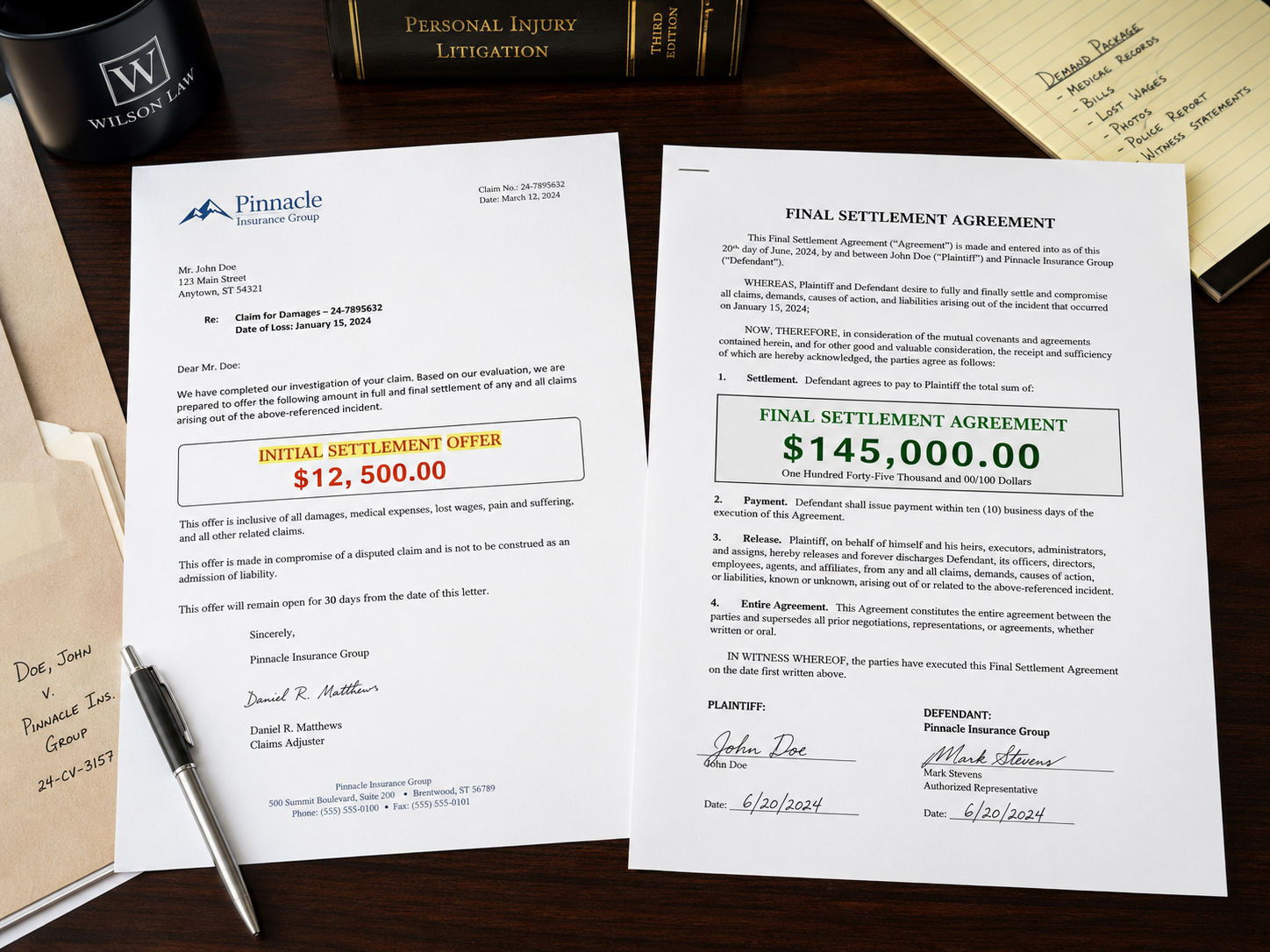
Lawyers are skilled negotiators who can secure higher settlements or verdicts for their clients. Studies show that people who hire personal injury lawyers often receive significantly more compensation than those who represent themselves.
Peace of Mind
With a lawyer handling the legal aspects of your case, you can focus on your recovery and not worry about legal procedures, paperwork, or negotiations.
No Upfront Costs
With contingency fee arrangements, you don’t pay anything unless you win—which makes hiring a lawyer a low-risk proposition for people who may not have the financial resources to pay hourly rates or retainers.
FAQ: Common Questions About the Cost of Hiring a Personal Injury Lawyer
What Percentage Does a Personal Injury Lawyer Take?
Personal injury lawyers typically take between 20% and 40% of the settlement or verdict. The percentage depends on the complexity of the case and whether it goes to trial.
How Much Does a Personal Injury Lawyer Charge?
The cost of hiring a personal injury lawyer depends on the fee structure, but most lawyers work on a contingency fee basis, taking a percentage of the recovery if you win.
What Are Contingency Fees?
Contingency fees are payments made to a lawyer only if the case is successful. If you don’t win or settle, you don’t pay any attorney fees.
What Do Most Lawyers Charge for a Contingency Fee?
Most personal injury lawyers charge a contingency fee ranging from 20% to 40% of the final settlement or verdict.
Who Pays for Costs If You Lose Your Personal Injury Case?
In most contingency fee agreements, if you lose, you won’t owe attorney fees. However, you may still be responsible for case-related expenses like filing fees, expert witness fees, and investigation costs.
Contact an Experienced Chicago Personal Injury Attorney Today
Understanding the costs of hiring a personal injury lawyer is essential for anyone pursuing a claim. While legal fees can vary, the benefits of having an experienced lawyer on your side—especially when it comes to securing higher compensation and ensuring that all legal aspects are handled professionally—often far outweigh the costs.
If you or a loved one have been injured as a result of someone else’s negligence, contact the experienced personal injury attorneys at Vasilatos Injury Law. We have represented hundreds of personal injury clients and obtained millions of dollars in awards for our clients in Chicago and across Illinois.
Our personal injury attorneys have experience in all aspects of personal injury law, and we are dedicated to helping our clients get the best possible compensation. Regardless of the nature of your case, you can rely on us to guide you toward a favorable outcome for you and your family.
Contact us today to schedule a free consultation.




Leave a Comment