
A Guide to Workers' Comp Leg Injury Settlements in Illinois
Legally reviewed by Lee J. Vasilatos, Attorney | Licensed in Illinois since 1994. Last updated: [publish date].
A leg injury at work can mean surgery, months off the job, and restrictions that change what work you can do. In Illinois, your settlement is not a guess or a flat chart. It is built from a formula in the Workers' Compensation Act: the leg is worth 215 weeks of benefits, and your award is a percentage of those weeks based on how much use of the leg you lost.
This guide walks through that formula, a worked example, the benefits you can claim, and how to file. If you're ready to talk to someone now, our Illinois workers' compensation lawyers offer free consultations.
Free Consultations | No Fee Unless You Recover | Hablamos Español
What Is the Average Workers' Comp Settlement for a Broken Leg?
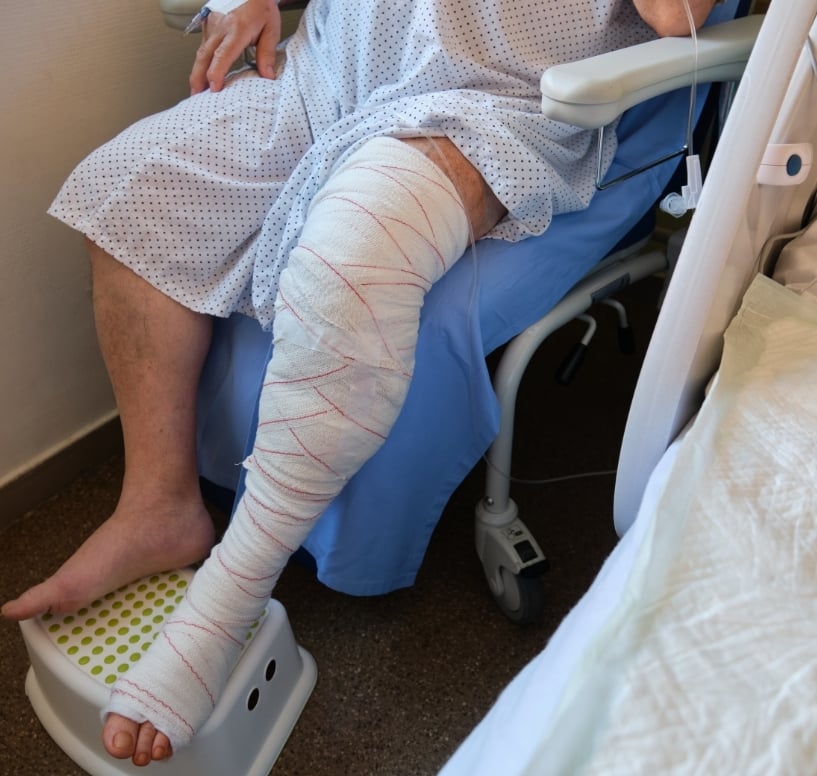
A broken leg is valued with the same 215-week formula. A fractured leg that heals fully after casting will typically have a lower percentage of loss than a broken leg requiring surgery, such as a tibia or fibula fracture repaired with hardware. In either case, you should have an attorney review your claim and represent you for settlement, as there are other factors in evaluating the loss of use of the leg. Once an Illinois settlement is approved, your right to future medical care for that injury typically closes with it.
What Types of Leg Injuries Are Covered by Workers' Comp?
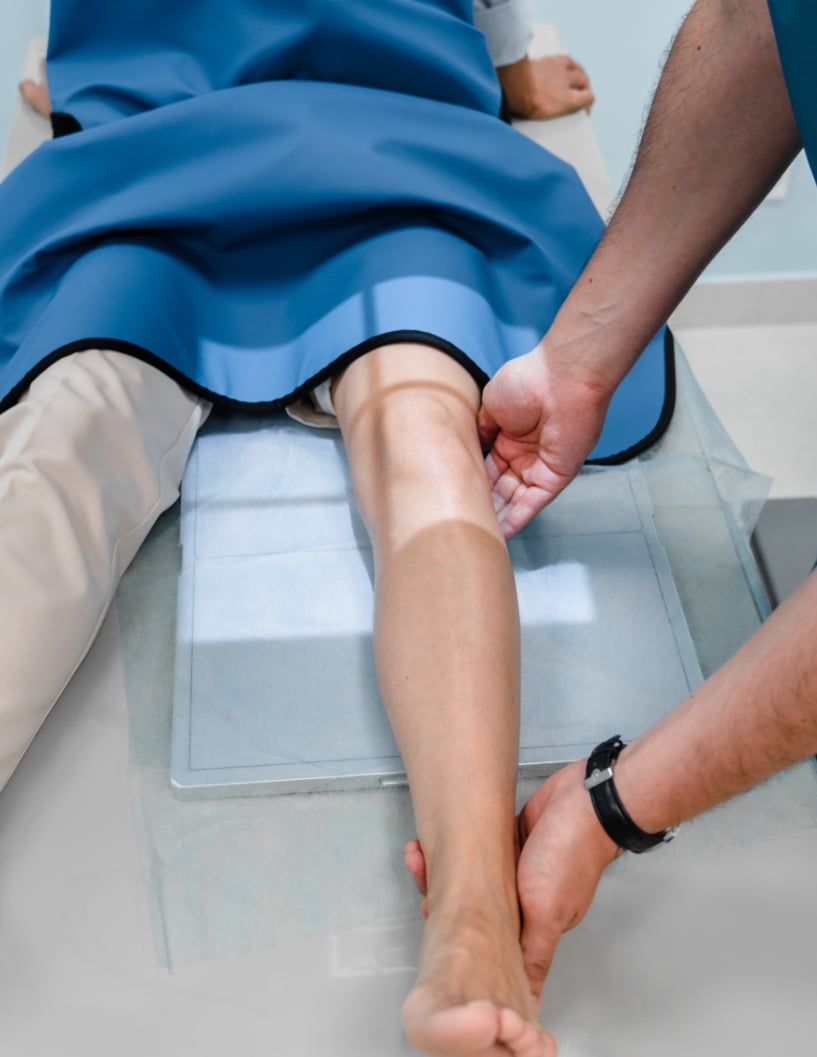
Any leg injury that happens because of your job can be covered, whether it came from one accident or developed over time. Common examples:
- Fractures and broken bones (femur, tibia, fibula)
- Ligament and tendon tears
- Crush injuries
- Strains and sprains
- Burns
- Pinched or damaged nerves
- Deep bruises and contusions
- Amputation
Knee, Ankle, or Foot Injury?
Illinois rates knee injuries as a loss of use of the leg, so the 215-week formula above often applies. Ankle and foot injuries usually fall under the 167-week foot schedule. See our guides to knee injury settlements, ankle injury settlements, and foot injury settlements.
What Are the Common Causes of Work-Related Leg Injuries?
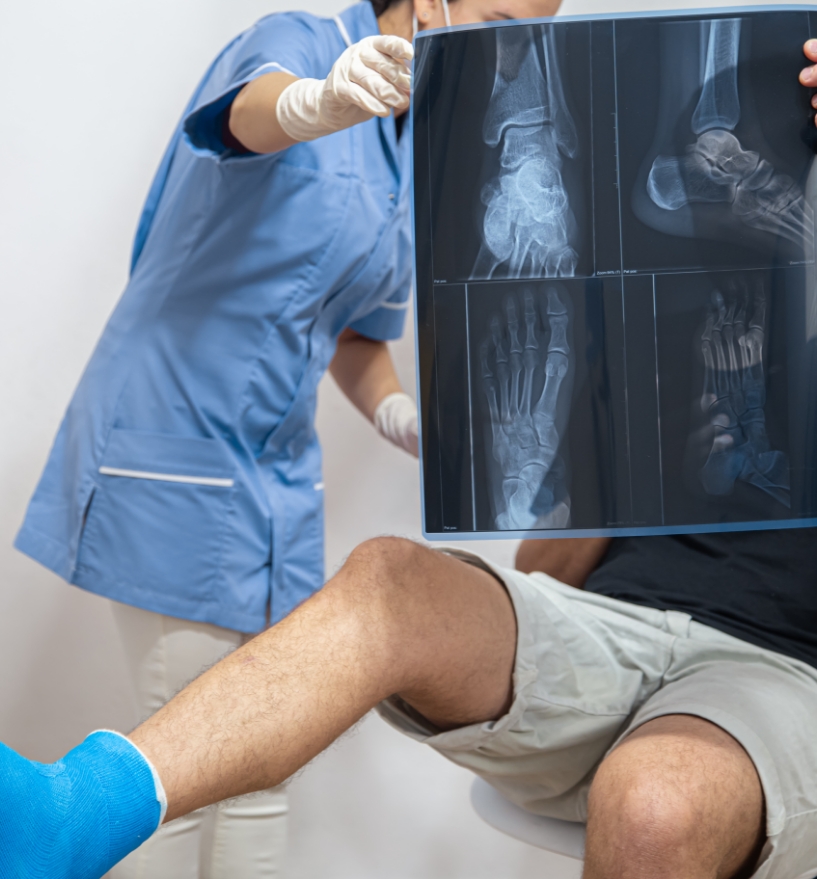
Leg injuries happen in warehouses, on construction sites, in factories, on delivery routes, and in offices. The most common causes:
- Falls from ladders, scaffolding, or loading docks
- Slips and trips on wet or uneven surfaces
- Falling objects and crushing equipment
- Forklift and vehicle accidents, including driving for work
- Repetitive kneeling, squatting, or climbing
Illinois workers' comp is a no-fault system. You can claim benefits even if the accident was partly your mistake.

What Treatment Is Needed for Work-Related Leg Injuries?
Treatment ranges from rest and a brace to surgery and months of physical therapy. Your employer's insurer generally pays for reasonable and necessary treatment, and in most cases you can choose up to two doctors.
Treatment matters for your settlement too. The medical record, including any surgery, the final range of motion, and the restrictions your doctor sets at the end of care, is the main evidence used to set your percentage of loss.


CLIENT TESTIMONIALS
Working Together To Serve Your Needs

A Guide to Workers’ Comp Leg Injury Settlements in Illinois
Like many other work-related injuries, leg injuries can result in long recovery periods and expensive medical bills, along with lost wages. However, you may be eligible to receive compensation for leg injuries sustained with the help of a dependable workers’ comp lawyer. An experienced attorney can guide you through the claims process and work to secure the full benefits you’re entitled to.
What Types of Leg Injuries Are Covered by Workers’ Comp?
Work-related leg injuries can happen in a variety of settings, from construction sites and warehouses to offices and manufacturing facilities. They often result from unexpected accidents such as falling objects, slip and fall incidents, or injuries caused by heavy lifting and moving equipment. In some cases, leg injuries are not the result of a single event but develop gradually over time from repetitive motions that place stress on tendons, muscles, and joints. Whether sudden or progressive, these injuries can be painful, debilitating, and disruptive to both your work and personal life.
Some common types of leg injuries include:
- Burns
- Crushes
- Fractures
- Strains or Sprains
- Ligament Tears
- Pinched Nerves
- Broken Bones
- Contusions
- Amputation

What Are the Common Causes of Work-Related Leg Injuries?
Many types of accidents can cause leg injuries on the job, either in or outside of the workplace, from sudden or acute injuries resulting from accidents to injuries whose symptoms become visible over time after repeated stress. In many instances, employee or employer negligence or malfunctioning equipment causes workplace injuries. Regardless of the circumstances surrounding the accident and subsequent injury, injured employees may be able to recover compensation with a workers’ comp claim. Some leg injuries can occur during travel from one location to another when using a personal or company vehicle on the job, putting the employee at risk of a traffic accident. Even if injuries don’t accompany any obvious symptoms at the start, symptoms may develop over time following an accident.
Whether an injury is immediate or gradual, minor or serious, a reputable workers’ compensation attorney may be able to help the injured employee seek compensation.
What Treatment Is Needed for Work-Related Leg Injuries?
While leg injuries may only require a brief period of rest and relaxation to experience a full recovery, additional treatment may be needed in many other, more serious cases. Treatments can range from medication and cortisone injections to support devices that stabilize the limb for sufficient healing. More extreme cases will require surgery and longer recovery and rehabilitation periods.`
How Do I File a Claim for Leg Injury Workers’ Comp in Illinois?
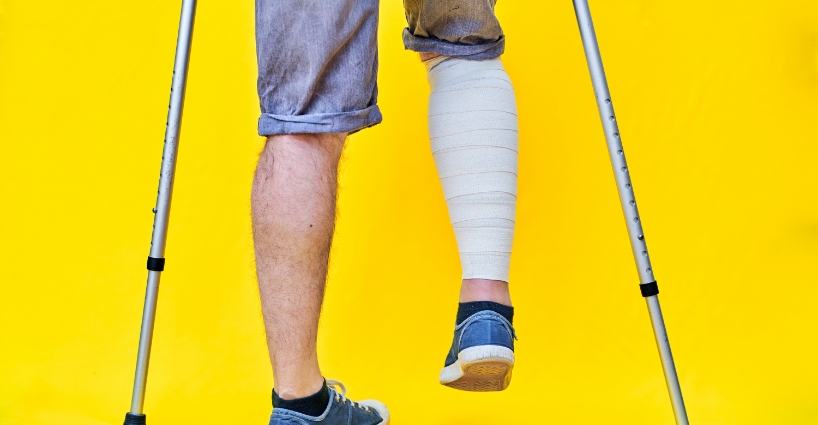
Filing a workers’ compensation claim for a leg injury in Illinois involves a few key steps. Acting quickly and following the correct process helps protect your rights and improves your chances of receiving full benefits.
Here are some basic steps to follow:
- Report the Injury to Your Employer: Notify your employer as soon as possible—preferably in writing. Illinois law gives you 45 days from the accident date, or from when you first notice an injury, to report it.
- Seek Medical Attention: Get evaluated and treated by a doctor as soon as possible to prevent complications and begin your recovery. Make sure to clearly explain that your injury is work-related.
- File a Workers’ Compensation Claim: Reporting the injury isn’t the same as filing a claim. To officially file, submit an Application for Adjustment of Claim with the Illinois Workers’ Compensation Commission (IWCC). This protects your right to benefits and formally starts your case.
- Keep Thorough Records: Save all documentation—medical visits, test results, prescriptions, time missed from work, and any correspondence with your employer or their insurance provider.
- Consider Legal Support: If your claim is denied, delayed, or doesn’t cover your full expenses, speak with a workers’ compensation attorney. A lawyer can guide you through hearings, appeals, or disputes to help secure the benefits you deserve.
What Workers’ Compensation Benefits Can I Receive for a Leg Injury?
If you suffer a leg injury at work in Illinois, you may be entitled to workers’ compensation benefits that help cover medical costs and reduce the financial strain while you recover. These benefits are meant to support you whether you’re temporarily out of work or dealing with lasting effects from the injury.
Common workers’ compensation benefits for leg injuries include:
- Medical Benefits: Covers necessary treatment such as doctor visits, hospital care, surgeries, medications, physical therapy, and any required mobility aids such as crutches or braces.
- Temporary Total Disability (TTD): Provides income replacement when your injury keeps you from working during your recovery period.
- Temporary Partial Disability (TPD): Offers partial wage replacement if you can work in a limited capacity or with reduced hours but earn less than before your injury.
- Permanent Partial Disability (PPD): Provides compensation if your leg injury results in a lasting impairment or permanent loss of function.
- Vocational Rehabilitation: Assists with training or job placement if you’re unable to return to your previous role due to the injury.
What Is the Average Settlement for a Leg Work Injury?
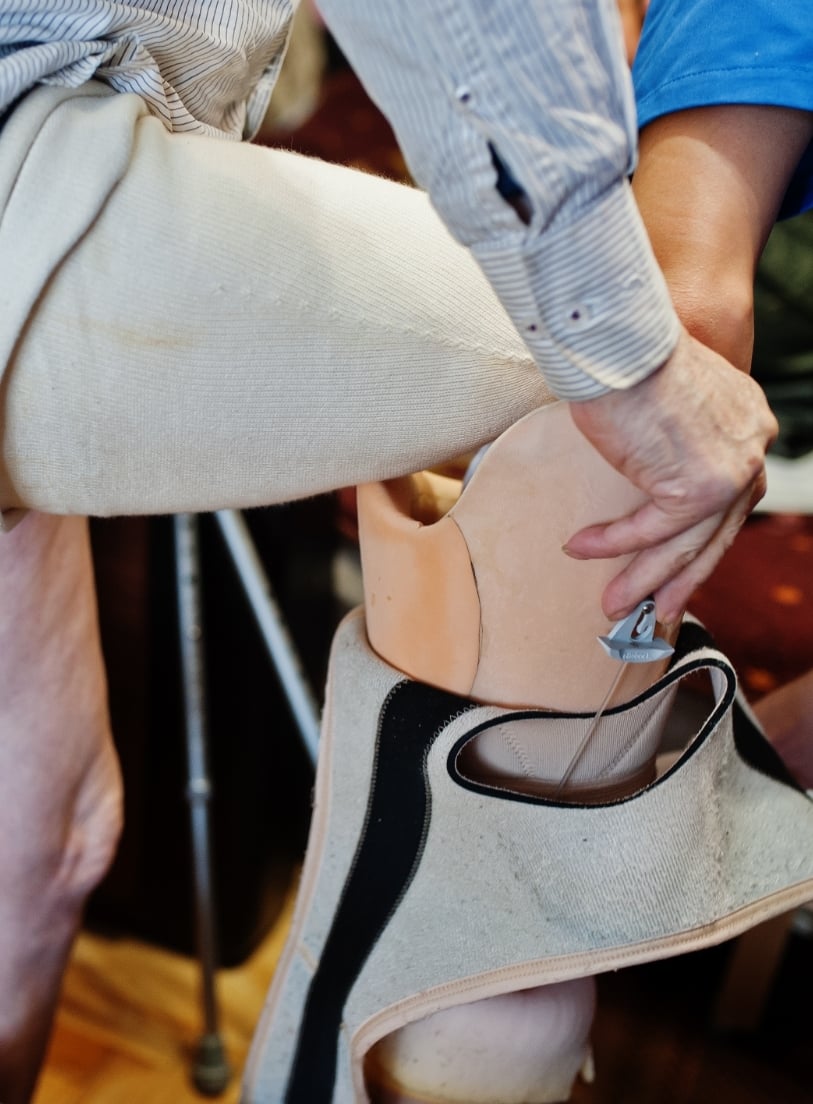
The average workers’ compensation settlement for a leg injury can vary widely based on the details of the case. Factors such as the type and severity of the injury, the cost of medical treatment, and the impact on your ability to return to work all play a role in determining the final amount.
For minor leg injuries that heal with basic medical care and a short recovery period, settlements tend to be on the lower end. More serious injuries—such as those requiring surgery, long-term physical therapy, or resulting in permanent limitations—can lead to significantly higher settlements, sometimes reaching $50,000 to $100,000 or more. Because every situation is unique, it’s best to speak with an experienced workers’ compensation attorney to better understand what a fair settlement might look like in your specific case.
What Is the Average Workers’ Comp Settlement for a Broken Leg?
Settlements for a broken leg can also vary depending on the severity of the break, the medical treatment required, and how long the injury keeps you out of work. The final amount will be influenced by factors such as whether surgery or extensive rehabilitation is needed and whether the injury causes lasting pain or mobility issues.
A simple fracture that heals fully may result in a more modest settlement, while a complicated break—especially one involving multiple surgeries, hardware implants, or long-term complications—can lead to a much higher payout, sometimes exceeding $100,000 or more. Because no two claims are the same, consulting a skilled workers’ compensation lawyer can help you pursue a settlement that fairly covers your medical expenses, lost income, and any long-term effects of the injury.
What Are the Requirements for Leg Injury Workers’ Compensation in Illinois?
To qualify for workers’ compensation benefits for a leg injury in Illinois, there are specific requirements you must meet:
- Injury Must Be Work-Related: The leg injury must occur while performing job duties, including on-site work, work-related travel, or tasks assigned by your employer. Both traumatic injuries (like broken bones) and repetitive strain injuries may qualify.
- Prompt Reporting to Employer: You must notify your employer as soon as possible, ideally within 45 days of the incident. Timely reporting helps ensure your claim is processed smoothly and prevents disputes.
- Medical Documentation and Verification: A doctor must evaluate your injury and provide documentation detailing its severity, treatment needed, and impact on your ability to work. Proper medical records are crucial for determining compensation for medical care, lost wages, and disability benefits.
Work with Dependable Workers’ Comp Lawyers for a Fair Leg Injury Settlement
When you turn to the professionals at Vasilatos Injury Law, we can help you file a leg injury workers’ comp claim and provide representation either in or out of court. Our attorneys work hard to cover every aspect of a case to help you recover full compensation for your pain and suffering, along with financial losses.
Our knowledgeable lawyers will be able to accurately assess your case and how your injury has affected your life. If we determine that you have a viable case, we will help you seek the benefits you deserve, including compensation for any lost wages and treatment.
Our team will be able to give you their undivided attention and help you reach a favorable settlement.

CLIENT TESTIMONIALS
Working Together To Serve Your Needs